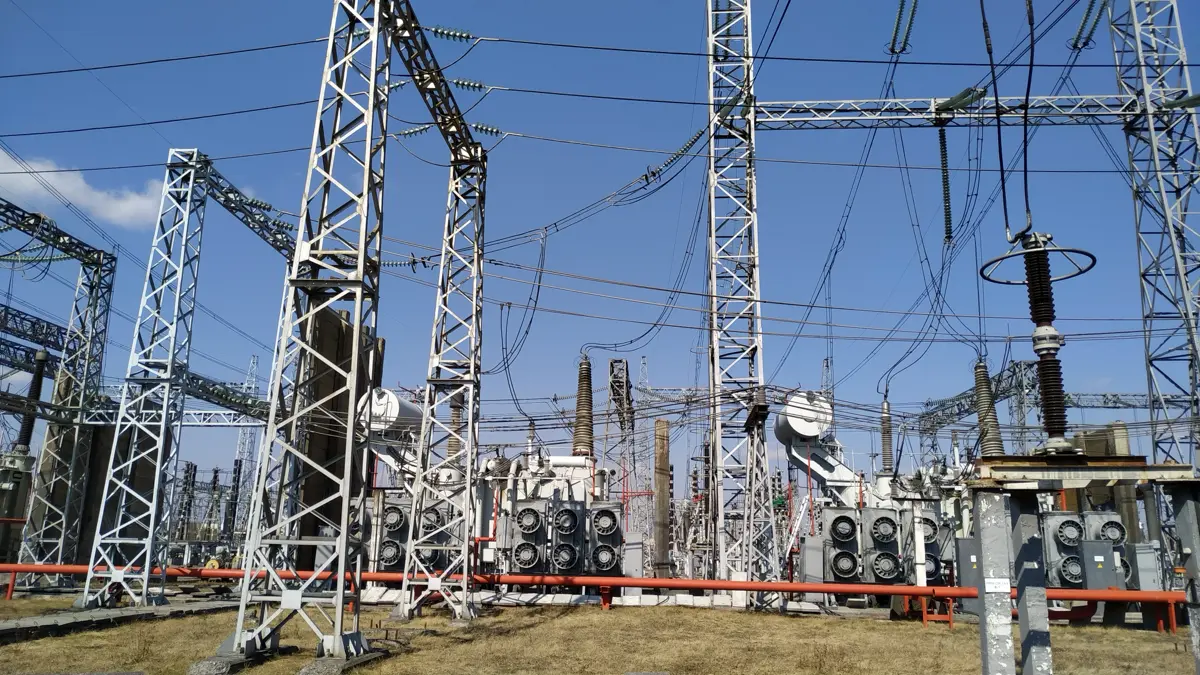

Rules for IT and electrical work in oil&gas up to/above1000V
Working in oil & gas — Rosneft, Gazprom, Lukoil, whatever. If you’re touching any electrical stuff (routers, UPS, control panels, telecom power, field instruments) you’re dealing with electrical installations up to and above 1000V. One mistake and it’s not just a shock — it’s fines or worse. Here’s the reality of an electrician. 1. First thing — your Electrical Safety Qualification Group Up to 1000V you need at least Group III. Above 1000V? Minimum Group IV, and the person in charge must have Group V. No valid certificate = you don’t touch anything. “I’ve been doing this 10 years” doesn’t work here. Every year you do attestation plus medical check. Miss it and you’re off the site. 2. Work Permit is king You can’t just say “I’ll quickly swap the switch”. You need a proper official Work Permit for Electrical Installations (“naryad-dopusk”). You are allowed to work by order or either maintenance. For anything above 1000V it’s even stricter — usually two people minimum, one with higher group, and the permit must be signed by the person responsible for the electrical facilities. No signature = no work. Period. 3. Low voltage (up to 1000V) vs High voltage (above 1000V) — big difference Up to 1000V: You can often work alone if you have Group III and the work permit. But still do full isolation, grounding, and hang the warning signs (“Do Not Switch On! People Working”). Above 1000V: Almost always team work. Special insulated tools, dielectric gloves, boots, and mats. Minimum safe distances from live parts. One person works while the other watches. The permit is more detailed and serious. 4. Explosive zones + electrical work = extra measures. In oil & gas you’re usually in Zone 1 or 2 (explosive atmospheres). Your tools and equipment must be certified for explosive environments (technical regulation TR CU 012/2011). A normal screwdriver can create a spark — boom. Gas test first with a proper gas analyzer, then get the work permit, then start. And the permit must clearly state the zone classification. 5. Lockout/Tagout It’s called isolation, grounding, and posting safety signs. You physically open the breaker, hang the “Do Not Switch On!” sign, put your personal lock if possible, and properly ground the line. For anything above 1000V you also check for absence of voltage using an approved voltage indicator (not just a cheap tester). 6. PPE that actually works • Flame-resistant workwear (GOST certified) • Dielectric gloves and boots for high voltage • Hard hat, safety glasses, and always a portable gas detector • For battery rooms (UPS in control rooms) — extra ventilation check because hydrogen builds up fast, especially in Siberian cold when heaters run. 7. Common oil & gas screw-ups • Guys try to work live without the proper permit — and the whole shift gets punished. • Forgetting to ground long cable runs out in the field. • Using non-certified equipment in compressor stations or on offshore platforms. • “Just one terminal” on a 6kV or 10kV line — yeah, that’s how accidents happen. 8. Training & daily reality Every company has its own internal instructions based on the official Labor Protection Rules for Electrical Installations and the Rules for Electrical Installations (ПУЭ). You get a targeted safety briefing before every job. Even IT guys who only change network cables in the server room still need at least Group II supervised by Group III up to 1000 V and Group ll supervised by Group lV above 1000V if the room has electrical equipment. Bottom line: In oil & gas, electrical work is not “quick and dirty”. It’s paperwork, qualification groups, work permits, proper grounding, and double-checking everything. The rules are strict because the consequences are brutal — both for you and the whole installation. Stay alive, get your groups renewed on time, never skip the work permit, and go home safe. #ElectricalSafety #OilAndGas #WorkPermit #RussianStandards #Electrical